
Imagine clocking off and walking straight onto a Whitsundays beach, snorkelling the reef on your day off, and paying next to nothing in rent because your room came with the job. That's island resort work — one of the great cheat codes of a working holiday. Resorts on Hamilton Island, Hayman, Daydream and the Great Barrier Reef islands are effectively small towns that need feeding, cleaning and entertaining every single day, and a big share of that workforce is backpackers exactly like you.
The roles you'll actually get
You don't need a resort CV — you need reliability and a commitment to the season. The traveller-friendly doors:
- Food & beverage / bar — waiting tables, bar service, room service. An RSA is essential for anything involving alcohol.
- Housekeeping — the biggest hirer of all. Physical, steady hours, zero experience needed.
- Kitchenhand and commis roles — always in demand; the classic foot in the door.
- Guest services and activities desk — check-ins, tours, kids' club; needs strong English and a big smile.
- Watersports crew — snorkel and sail trips, hire desks. First aid, dive tickets or a coxswain certificate jump you up the queue.
- Grounds, maintenance and spa/retail — behind-the-scenes roles that keep the island running.
The live-in deal: where the money's made
Headline pay is standard Australian hospo: from 1 July 2026 the casual minimum is $30.13/hour ($24.10 base plus 25% loading), usually more under the Hospitality Award, with penalty rates on the nights, weekends and public holidays when resorts run hottest. Then the WHM basics apply — 15% tax up to $45,000, 12% super on top.
But the real wealth-builder is the package. Most island resorts provide staff accommodation with rent deducted at well below mainland prices, plus subsidised or free staff meals. With nowhere to spend money and rent and food mostly handled, island workers routinely bank more in three months than city bartenders do in six. Tips add cream on top — Australia isn't a tipping country like the US, but resort guests on holiday tip better than anyone, and busy F&B staff can pocket a nice weekly bonus.
Before accepting any island offer, get three numbers in writing: your hourly rate, the weekly staff-accommodation deduction, and what meals are included. Those three lines decide whether the job is a savings machine or a treadmill.
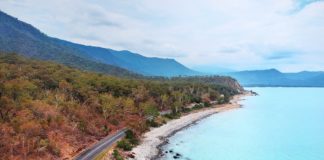
The honest trade-offs
- You live at work. Same faces at dinner as on shift. Brilliant for some, claustrophobic for others.
- It's remote. One shop, ferry timetables, patchy plans. Cabin fever is real around week ten.
- Staff digs are basic. Think hostel-standard shared rooms, not the suites you're cleaning.
- Peak season is full-on. Long days, split shifts, guests on holiday while you're not.
Most people who go in with clear eyes call it one of the best chapters of their year.
The 88-day question: sometimes, yes
Here's the bit most backpackers get wrong. Standard resort work doesn't count toward a second-year visa — except that tourism and hospitality work done in northern Australia or other remote/very remote areas counts as specified work under current rules. Large chunks of tropical Queensland, the NT and northern WA qualify, and that can include island resorts in the right zones. The rules differ between the 417 and 462 visas and hang entirely on the postcode classification, so before you bank on it: check your exact work location on the Home Affairs specified-work tool, get your employer to confirm in writing, and keep every payslip. Some travellers are earning visa days from a swim-up bar while everyone else assumes it's impossible — but only the postcode decides.
How to land one
- Time it. The tropical dry season (roughly April–October) is peak; apply one to two months ahead so you're hired before the rush.
- Get certified first. RSA at minimum; first aid and barista skills widen your options fast.
- Apply through a platform built for travellers. MyGig.com.au lists hospitality and resort roles across Queensland's coast and islands from vetted employers — set up a profile and apply for your dates before you're anywhere near Airlie Beach.
- Use the gateway towns. Airlie Beach is the Whitsundays launchpad — plenty of backpackers work the mainland marinas and hotels while interviewing for the islands.
- Commit to the season. Resorts fly people in and train them; promising (and meaning) three-plus months puts you ahead of every "two weeks then Bali" applicant.
Sort those five and the hardest part of your working week becomes deciding which beach gets your day off.
las herramientas que mola usar para esto
88-day eligible jobs, filter by accom + pay, apply in one click.