
Road-tripping Australia with a crew — kids or four mates splitting the bill — lives or dies on the vehicle. Too small and you're climbing over each other by day three. Too big and you're paying for beds nobody uses, feeding a thirsty engine, and sweating every carpark. The best big motorhome isn't the shiniest one on the booking page; it's the one that matches your actual group, route and budget.
Berths vs seatbelts: the number that trips everyone up
Berths are beds. Seatbelts are travel seats. They are not the same number. A "6-berth" sleeps six but may only carry five belted passengers legally — and with kids, every child seat needs a proper anchor point. Friend groups hit the same wall from the other direction: six people can't ride in a van with five belts, full stop.
Before you book, get two figures from the provider in writing:
- Sleeping berths — how many beds, and how many are fixed versus converted from the dinette every night
- Belted travel seats — and whether they take child restraints (ISOFIX/top-tether varies by model)
Get this wrong and you find out at the depot on day one.
The three size classes
- 4-berth compact — sleeps 2 adults + 2 kids (or two couples who like each other a lot). Easiest to drive and park, cheapest to fuel. Beds usually convert from seating. From roughly $150–$220/day off-peak in 2026, $240–$320/day in summer and school holidays.
- 6-berth standard — the classic family rig: over-cab bunk, rear bed, convertible dinette, real kitchen, usually a toilet and shower. $200–$300/day off-peak, $320–$420/day peak.
- 6-berth with fixed bunks — a dedicated bunk wall for kids means nobody rebuilds a bed all trip. The dearest and largest: $240–$340/day off-peak, up to $450+/day peak.
For groups of four adults, two 2-berth campervans are sometimes cheaper than one 6-berth and give everyone an escape hatch — price both before committing.
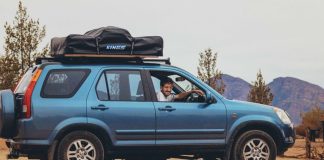
Layouts that actually work
Floor plan beats brand every time. The setups people rate after two weeks on the road, not two nights:
- Over-cab (Luton) bunk + fixed rear bed. Kids get the "cubby" up top, adults keep a permanent bed, and the middle of the van stays a living space all day.
- Fixed rear bunks. Nothing to convert, ever, and bedtime doesn't shut down the whole vehicle. Best for older kids and mixed friend groups.
- Two convertible zones. Most flexible, but you're making beds twice a day — fine for a week, wearing for a month.
Inside, prioritise: a three-burner hob and decent fridge (you'll cook constantly), an on-board toilet and shower (night-time game-changer, and it unlocks cheap unpowered camps), a table that stays up while one bed is made, and storage — groups generate a shocking amount of gear.
The magic feature in any family motorhome is not having to rebuild everyone's bed every night. Convertible dinettes photograph well; fixed beds keep the peace.
The running costs nobody budgets
The daily rate is half the story. On top, plan for:
- Powered caravan-park sites — $45–$70 a night for a family site in 2026, more at beachfront parks in holidays. A self-contained rig (toilet + grey water) can mix in free and low-cost camps at $0–$25 and save hundreds a week.
- Fuel — big motorhomes drink 13–17 L/100 km. Budget roughly $35–$50 per 200 km at 2026 diesel prices.
- Excess reduction — standard excess runs $3,000–$7,500; the daily reduction ($30–$60/day on big vehicles) is usually worth it with kids aboard.
- Extras — child seats, camp chairs, extra driver fees, GPS. Small adds, real money.
- Peak minimums — school-holiday hires often carry 5–7 night minimum bookings.
Who to hire from
For a 4-berth that's fun to drive and cheaper to run, JUCY Rentals is the value pick — their compact 4-berths ("condo-style" pods) suit two adults and two kids or a pair of couples, with depots in every major East Coast city for easy one-ways. For groups wanting a van kitted for longer working-holiday-style trips — bedding, cooking gear, unlimited kilometres — Travellers Autobarn runs backpacker-friendly campers and larger vans out of Sydney, Melbourne, Brisbane, Cairns and Perth, and their transparent excess options make the real price easy to see up front.
Whoever you book with, confirm: kilometre allowance (unlimited beats capped for family distances), one-way fees, child-seat compatibility, and whether the vehicle is fully self-contained.
One-way relocations: the group cheat code
Rental companies constantly need vehicles moved between depots — Melbourne to Sydney after the Grand Prix, Cairns to Brisbane after the dry season. Relocation deals hand you a 6-berth for $1–$10 a day, often with a fuel allowance thrown in. The catches: fixed route, tight deadline (usually 3–5 days for a run you'd rather do in ten), and limited availability.
For a flexible friend group, this is the cheapest big-vehicle travel in Australia. For a family on school-holiday dates, treat it as a bonus if it appears, not a plan.
Quick decision guide
- 2 adults + 1–2 small kids, trip under 10 days → 4-berth compact
- Family of 4–5, two weeks or more → 6-berth with over-cab bunk and fixed rear bed
- Kids 8+ or four adult friends → 6-berth with fixed bunks, or two campervans
- Flexible dates, tight budget → chase a relocation deal
Book 3–6 months out for school-holiday dates, aim for autumn or spring shoulder seasons when rates drop 25–40%, and put the layout ahead of the logo. The right rig makes the kilometres disappear.
as ferramentas que curtimos para isto
Iconic green-and-purple campers, depots in every major city.
$45/day all-in, unlimited km, one-way drops between cities.