
You've done the maths on rental quotes and felt your stomach drop. A campervan from a rental depot can run you $80–$150 a day in peak season, and if you're doing the classic East Coast run over three months that's a flight home's worth of cash gone before you've bought a single tank of fuel. This is the moment nearly every backpacker has: should I just buy the thing?
Short answer: if you're on the road for more than about six weeks, buying almost always wins. Here's how to do it without getting burned.
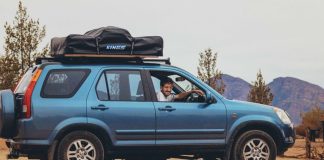
Buy or rent? The honest breakdown
Renting makes sense for short trips, one-way drops, and when you genuinely cannot afford an unexpected $1,500 mechanical bill. Buying makes sense for everyone else.
- Renting: zero resale hassle, roadside assist included, but you're pouring money into someone else's asset.
- Buying: higher upfront cost, you carry the mechanical risk, but you usually get most (sometimes all) of it back when you sell.
If buying feels too daunting, there's a middle path: a buyback scheme. Companies like Travellers Autobarn sell you a vehicle with a guaranteed buyback price written into the contract. You drive it for three months, return it to any of their depots, and they buy it back at the agreed figure. You skip the stress of selling to a stranger in a hostel car park, and you know your worst-case cost on day one. It's the training-wheels version of van ownership and it's genuinely worth pricing up.
Where to buy
- Backpacker dealers / buyback companies — most expensive but lowest risk, vehicles are WHV-ready (often with fridge, bed, gas cooker already fitted).
- Gumtree and Facebook Marketplace — where most backpackers buy and sell to each other. Cheapest, but caveat emptor.
- Hostel noticeboards — the Kings Cross corkboards in Sydney are legendary for this.
- Backpacker Car Market in Sydney — a physical market where leavers sell to arrivers.
Golden rule: never buy a vehicle you haven't driven, and never buy one in a state where you're about to leave. A car bought in Cairns to sell in Melbourne is a car you'll struggle to register and offload.
What to check before you pay
Backpacker vans live hard lives. Treat every one as guilty until proven innocent.
The paperwork
- Run a PPSR check (ppsr.gov.au, around $2). This tells you if the car has money owing on it or has been written off. Skip this and you risk having the vehicle repossessed out from under you.
- Match the VIN on the dash and chassis to the registration papers.
- Check how much rego is left. A car with 11 months of rego is worth far more than one with two weeks.
The mechanical bits
- Cold-start it yourself. Blue smoke means oil burning; white smoke that won't clear can mean a blown head gasket.
- Check the oil on the dipstick — milky or frothy is a red flag.
- Look under the van for fresh oil patches on the ground.
- Test every gear, the aircon (you'll want it in the Outback), and the brakes.
If you're spending more than a couple of grand, pay for a pre-purchase inspection. The NRMA, RACV, RACQ and other state auto clubs do them for around $200. That's the best money you'll spend.
Rego and roadworthy: the bit that catches people out
Every Australian state runs its own registration system, and this trips up loads of travellers.
- Roadworthy certificates are called different things everywhere: a "Roadworthy" (RWC) in Victoria and Queensland, a "Pink Slip" (eSafety check) in NSW, no annual check at all in some other jurisdictions.
- To transfer rego into your name you usually need a residential address in that state. A hostel address often works, but rules vary, so check the state transport site before you commit.
- NSW and Victoria are the most popular registration states because most backpackers start there.
Budget time for this — transferring rego is rarely instant, and driving an unregistered vehicle is a serious offence with fines and no insurance cover.
Insurance
Compulsory Third Party (CTP, the "green slip" in NSW) is bundled into rego in most states and only covers injury to people, not damage to property or vehicles. You'll want at least third-party property insurance on top — it's cheap and saves you from financial ruin if you reverse into a Land Cruiser. Some insurers are funny about international licences, so call and confirm you're covered before you drive off.
Reselling (and actually making money)
The backpacker vehicle market is a beautiful closed loop: you buy from a leaver, you sell to an arriver.
- Timing is everything. Sell where demand is high — Sydney, Cairns and Darwin in the lead-up to peak season. Selling a campervan in a regional town in winter is misery.
- A clean, decluttered van with a fresh roadworthy and lots of rego sells fastest. Spend a Saturday detailing it.
- Throw in the gear — camping chairs, the fridge, the cooker, the maps. Buyers love a turnkey setup.
- Price it realistically by scanning what similar vans are listed for, then sell a touch under.
Done right, plenty of backpackers sell for within a few hundred dollars of what they paid — making three months of travel almost free on the wheels front. And if all that sounds like too much hassle at the end of an epic trip, that buyback contract is looking pretty clever right about now.
Buy smart, check everything twice, and the open road is yours.
tools we rate for this
$45/day all-in, unlimited km, one-way drops between cities.