
Most backpackers blitz the east coast and never make it to the Top End — which is exactly why you should. Up here in the Northern Territory, the landscape doesn't do gentle. Waterfalls thunder into emerald plunge pools, 20,000-year-old rock art stares down from sandstone escarpments, and saltwater crocodiles lurk in waterways that look far too inviting to be that dangerous. Darwin is the gateway, and from there Kakadu and Litchfield National Parks open up the real Australia.
This is remote, hot and genuinely wild country, so the season you arrive in changes absolutely everything.
Wet season vs dry season
The Top End has two seasons, and they're night and day.
Dry season (May–October)
This is when 90% of travellers come, and for good reason.
- Blue skies, low humidity, daytime temps around 30–33°C.
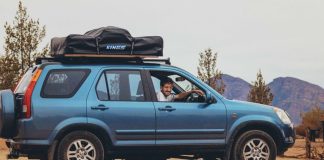
- Roads and plunge pools are open, waterfalls are still flowing, and 4WD tracks are passable.
- It's peak season, so book accommodation and tours ahead.
Wet season (November–April)
The Top End transforms. Monsoon storms roll in, humidity is brutal, and the landscape turns impossibly green.
- Many unsealed roads and famous swimming spots close due to flooding.
- Waterfalls are at their most powerful, and you can take scenic flights over flooded floodplains.
- Far fewer crowds and cheaper beds, but you'll need to be flexible.
Honest tip: if it's your first time and you want to actually swim and drive the parks, come in the dry. The wet has its own dramatic beauty, but you'll spend a lot of time looking at "road closed" signs and sweating through your shirt by 9am.
Darwin: the gateway
Darwin is small, tropical and refreshingly unpretentious. It runs on backpackers, defence workers and a serious love of sunset beers.
- Mindil Beach Sunset Market (dry season, Thursday and Sunday evenings) is the highlight — laksa, Thai street food and live music as the sun drops into the Timor Sea.
- The Waterfront Precinct has a stinger-and-croc-free lagoon for a safe swim.
- It's a working-holiday hub, so it's a great place to line up regional farm work or a van before you head bush.
Sort travel insurance before you go anywhere remote — medical evacuation out here is no joke. World Nomads insurance covers the kind of adventure activities and remote travel the Top End throws at you.
Litchfield National Park
If you've only got a day, make it Litchfield. It's only about 120km south of Darwin (around 1.5 hours' drive), which makes it the easy, swimmable, crowd-pleasing option.
- Florence Falls — a double waterfall with a deep plunge pool at the bottom of a short, steep walk. Get there early.
- Wangi Falls — the big, accessible one with a huge pool (check it's open; it closes after heavy rain).
- Buley Rockhole — a series of cascading rock pools you can sit in like nature's spa.
- Magnetic termite mounds — bizarre metre-tall structures all aligned north-south.
Most plunge pools here are croc-checked and safe to swim in the dry, but always obey the signage. Day tours from Darwin run around $150–$190 and include the main falls — book through GetYourGuide if you don't have wheels.
Kakadu National Park
Kakadu is the big one — a UNESCO World Heritage site roughly half the size of Switzerland, around 250km east of Darwin (about 3 hours to the entrance). It's dual-listed for both natural and cultural significance, and it's one of the longest continuously inhabited landscapes on Earth.
Indigenous rock art
This is what sets Kakadu apart. The galleries here are tens of thousands of years old.
- Ubirr — ancient art plus a sunset lookout over the Nadab floodplain that's worth the whole trip.
- Nourlangie (Burrungkuy) — dramatic rock art galleries beneath a towering escarpment.
Take your time and read the interpretive signs — this is living culture, not a museum, and it's a privilege to see it.
Waterfalls and wildlife
- Jim Jim Falls and Twin Falls are spectacular but require a serious 4WD and are usually only accessible deeper into the dry season.
- Yellow Water (Ngurrungurrudjba) cruise at dawn is the classic croc-spotting wildlife experience — sea eagles, jabirus, and crocs aplenty.
- Gunlom has an infinity-style plunge pool at the top of a climb with a killer view.
A park pass costs around $40 for adults and lasts seven days — buy it online before you go.
Croc safety: take it seriously
This isn't a tourist gimmick. Saltwater crocodiles ("salties") in the Top End are large, fast and lethal.
- Never swim in rivers, billabongs or the sea unless there's clear signage saying it's safe.
- Crocs can be in surprisingly small or shallow water, including the ocean and estuaries around Darwin.
- Stand back from the water's edge when fishing or taking photos.
- Only swim in designated, croc-checked plunge pools and obey every sign.
The locals' rule is simple: if you're not 100% certain it's safe, assume there's a croc in it.
What it costs
Rough guide for a few days exploring from Darwin in 2026:
- Hostel dorm in Darwin: $35–$50 per night
- Kakadu park pass: ~$40 (7 days)
- Litchfield day tour: $150–$190
- 2–3 day Kakadu tour: $600–$900 (transport, food, guide)
- Self-drive 4WD hire: from ~$120+ per day
The verdict
The Top End is a detour off the well-worn backpacker trail, and that's the whole appeal. Ancient art, waterfalls you can actually swim in, and crocs that remind you Australia is still genuinely wild. Come in the dry, respect the water, and you'll leave with the best stories of your trip.
tools we rate for this
Reef days, skydives, k’gari 4WD — free cancellation.
Covers surf, dive, hike. ~$4/day for a year.