
Yes, it snows in Australia — and the Snowy Mountains get more of it each winter than some of the Alps. Sitting on the NSW–Victoria border about halfway between Sydney and Melbourne, Kosciuszko National Park is home to mainland Australia's highest peak and the country's biggest snowfields. In summer it's wildflower-strewn alpine hiking with a genuinely achievable "highest mountain" summit; in winter it's lift tickets, learner slopes and après in the village. It's a true two-season destination, and most backpackers only ever discover one of them.
Getting there
The main gateways are Jindabyne (the lakeside town that serves the resorts) and the village of Thredbo. From Sydney it's around 500 km, a 5.5–6 hour drive via the Hume and Monaro highways. From Canberra it's much closer — about 200 km, or 2.5 hours. From Melbourne, allow a long 6–7 hour drive.
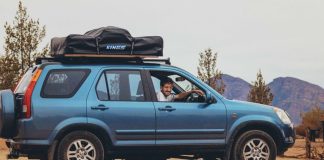
A car or van is the practical option; winter shuttle buses run from Canberra and Sydney during ski season but they're priced for the snow crowd. In winter you'll legally need to carry snow chains when driving into the resorts, and you'll pass a checkpoint where you may have to fit them. There's also a national park entry fee (around $29 per vehicle per day, higher in winter).
Summer: the Mount Kosciuszko summit
Here's the secret: summiting Australia's highest mountain, Mount Kosciuszko at 2,228 m, is one of the easiest "highest peak in a country" walks on Earth. You don't need ropes, crampons or any real mountaineering — just decent shoes and a clear day.
The classic route:
- Take the Kosciuszko Express chairlift at Thredbo up to around 1,930 m (operates over summer, roughly $45 return). This skips the brutal vertical grind.
- From the top station, the Kosciuszko Walk is a 13 km return trip on an elevated metal walkway and well-formed track across the alpine plateau to the summit.
- Allow 4–5 hours return at a relaxed pace, with views over glacial lakes and Australia's only true alpine landscape.
A longer, free alternative starts from Charlotte Pass (the Main Range track), a tougher and more rewarding 18–22 km loop past Blue Lake and the headwaters of the Snowy River.
Weather is the real risk up here. Even in January the summit can get freezing wind, cloud and snow flurries. Take a warm layer and a rain jacket regardless of how warm Jindabyne feels, and turn back if the cloud rolls in — the plateau is exposed and easy to get lost on.
The summer alpine wildflower bloom (roughly December–February) is spectacular, and you'll likely see wombats, kangaroos and brumbies (wild horses) on the drive in.
Winter: Thredbo and Perisher
From around June to early October, the Snowies become Australia's ski heartland. The two big resorts:
Thredbo
A proper alpine village built into a valley, Thredbo has the longest runs in the country (the Supertrail drops about 600 vertical metres) and the best terrain for intermediate and advanced riders. It's also where the nightlife is — actual après-ski bars and a village atmosphere.
Perisher
The largest resort in the Southern Hemisphere by area, spread across four linked sections (Perisher Valley, Smiggin Holes, Blue Cow, Guthega). It's flatter and broader than Thredbo, with masses of beginner and intermediate terrain, and you can reach Blue Cow by the Skitube railway from the valley.
Budget realities for the snow:
- Lift passes are not cheap — expect $170–230+ for a single day, with multi-day passes much better value per day.
- Gear hire (skis or board, boots, poles) runs roughly $50–80 a day; rent in Jindabyne rather than on-mountain to save money.
- Accommodation on-mountain is expensive; most backpackers stay in Jindabyne (30–40 minutes' drive below) where hostels and budget lodges are far cheaper, and drive or bus up daily.
If you're a beginner, both resorts run lesson-and-lift-and-hire packages that are the cheapest way to start. The snow season is genuinely good but variable — check the snow report before committing, as warm spells happen.
Beyond the slopes
There's more to the region than the summit and the lifts:
- Lake Jindabyne — kayaking, fishing and lakeside walks in the warmer months.
- Yarrangobilly Caves — limestone caves in the park's north with a thermal pool (about 27°C) you can swim in year-round.
- Snowy River and the Alpine Way — one of the most scenic drives in the country, winding down toward the Victorian border.
Guided summit walks, snowshoe tours and winter packages are available if you'd rather have the logistics and avalanche-free route-finding sorted for you, especially in shoulder season when the weather is unpredictable.
When to go
- December–March for hiking, the summit, wildflowers and warm-ish alpine days.
- June–September for the snow, with August usually the most reliable.
- April–May and October–November are quiet shoulder seasons — cheap, often beautiful, but the lifts and walks may be closed and the weather is a gamble.
Whether you're bagging a continent's highest peak in shorts or face-planting on a learner slope, the Snowy Mountains is the bit of Australia that surprises everyone. Pack a warm layer either way — this is the one place Down Under where the cold is the whole point.
tools we rate for this
Reef days, skydives, k’gari 4WD — free cancellation.