
Up in the far north-west corner of the country, beyond where the bitumen gives out, sits the Kimberley — a region three times the size of England with a population you could fit in a footy stadium. This is the real outback: red dirt, croc-filled rivers, ancient gorges, and a road called the Gibb that backpackers talk about for the rest of their lives. It's wild, it's remote, and it's gloriously empty. But the Kimberley plays by its own rules, and the biggest one is timing.
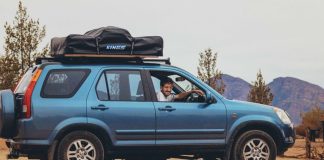
Dry season only — this matters
The Kimberley has two seasons: the Dry (roughly May to October) and the Wet (November to April). You go in the Dry. Full stop.
During the Wet, monsoon rains flood rivers, cut roads for weeks, close the Gibb River Road entirely, and turn unsealed tracks into impassable mud. Many attractions and roadhouses simply shut. The Dry brings warm days, cool nights, clear skies and accessible roads.
Plan your Kimberley trip for June to September — peak Dry. May and October are shoulder months where some access may still be limited. Turning up in January means looking at a closed gate.
The Gibb River Road
The Gibb is the legend: an unsealed 660 km former cattle route running between Derby and Kununurra, threading through the heart of the Kimberley. It is not a casual drive.
- You need a high-clearance 4WD. Two-wheel drives and most rental campervans are not permitted and won't make it
- Allow 7–10 days to do it properly with side trips
- Carry recovery gear, water, food and at least one spare tyre (two is smarter) — corrugations and sharp rock eat tyres
- Fuel is scarce and expensive. Fill up at every roadhouse and carry jerry cans
A properly outfitted 4WD camper is the right tool here. If you're buying or renting a vehicle built for this kind of remote travel, Travellers Autobarn kits out 4WDs for exactly this sort of trip — check the off-road specs and rental terms before you commit.
Highlights along the Gibb
- Windjana Gorge — towering walls and a river full of freshwater crocs (the freshies are generally harmless, but never the estuarine "salties")
- Tunnel Creek — wade through a 750 m cave with a torch, watching for bats and crocs
- Bell Gorge — a postcard waterfall and swimming hole, one of the most beautiful on the road
- Manning Gorge & Galvans Gorge — more swimming, fewer crowds
- El Questro — a vast station with gorges, hot springs and campgrounds (some access fees apply)
Purnululu and the Bungle Bungles
A separate trip off the Great Northern Highway, Purnululu National Park protects the Bungle Bungle Range — those surreal orange-and-black banded beehive domes you've seen on every WA poster. They were barely known to the outside world until the 1980s and remain one of Australia's most striking landscapes.
- The access track in is 53 km of rough 4WD that can take 2–3 hours each way — 4WD essential
- Cathedral Gorge is the must-do walk: a natural amphitheatre with jaw-dropping acoustics
- Echidna Chasm glows red when the midday sun hits the narrow walls
- Park entry and camping fees apply; book a campsite ahead in peak season
- Short on time or a 4WD? Scenic flights over the domes leave from Kununurra and Warmun
Gorges, swimming and crocs
Swimming in the Kimberley's gorges is one of the great joys of the trip — but croc awareness is life-or-death up here.
- Freshwater crocodiles live in many gorge pools and are generally not a threat
- Estuarine ("saltwater") crocodiles are apex predators and live in rivers, estuaries and some inland waterways. They kill people
- Only swim where it's signed safe or locals confirm it. When in doubt, stay out
- Always check current park advice — croc territory shifts
Prep, safety and staying connected
The Kimberley is genuinely remote. Help can be hundreds of kilometres and many hours away.
- Carry far more water than you think — at least several litres per person per day plus reserve
- Mobile coverage is near-zero outside towns. Consider a satellite phone or a PLB (personal locator beacon)
- Tell someone your route and expected dates
- Travel insurance with remote-area and vehicle cover is essential — standard policies often exclude this kind of trip, so read the fine print. World Nomads insurance is popular with backpackers for adventure and remote-travel cover; confirm the Kimberley and 4WD activities are included before you rely on it
- Service your vehicle before you go. A breakdown out here is a serious, expensive problem
Costs and timing
- How long: 10–14 days to combine the Gibb and Purnululu without rushing
- Best time: June to September, peak Dry
- Daily budget: Roughly $80–120 AUD a day self-catering and camping, but fuel and park fees push the total up — budget extra for the long, thirsty distances
Money-saving moves
- Travel in a group of 3–4 to split fuel, the single biggest cost
- Camp at national park and station sites rather than lodges
- Stock up on food in Broome, Derby or Kununurra — remote roadhouses charge a fortune
- Carry jerry cans so you can buy fuel where it's cheapest
The Kimberley isn't a casual stop — it demands the right vehicle, the right season and real preparation. But do it properly and you'll have the swim in an empty gorge, the night sky with no light for 500 km, and the kind of story that makes every hostel listen. Just remember: dry season, decent 4WD, and respect the crocs.
tools we rate for this
$45/day all-in, unlimited km, one-way drops between cities.
Covers surf, dive, hike. ~$4/day for a year.